
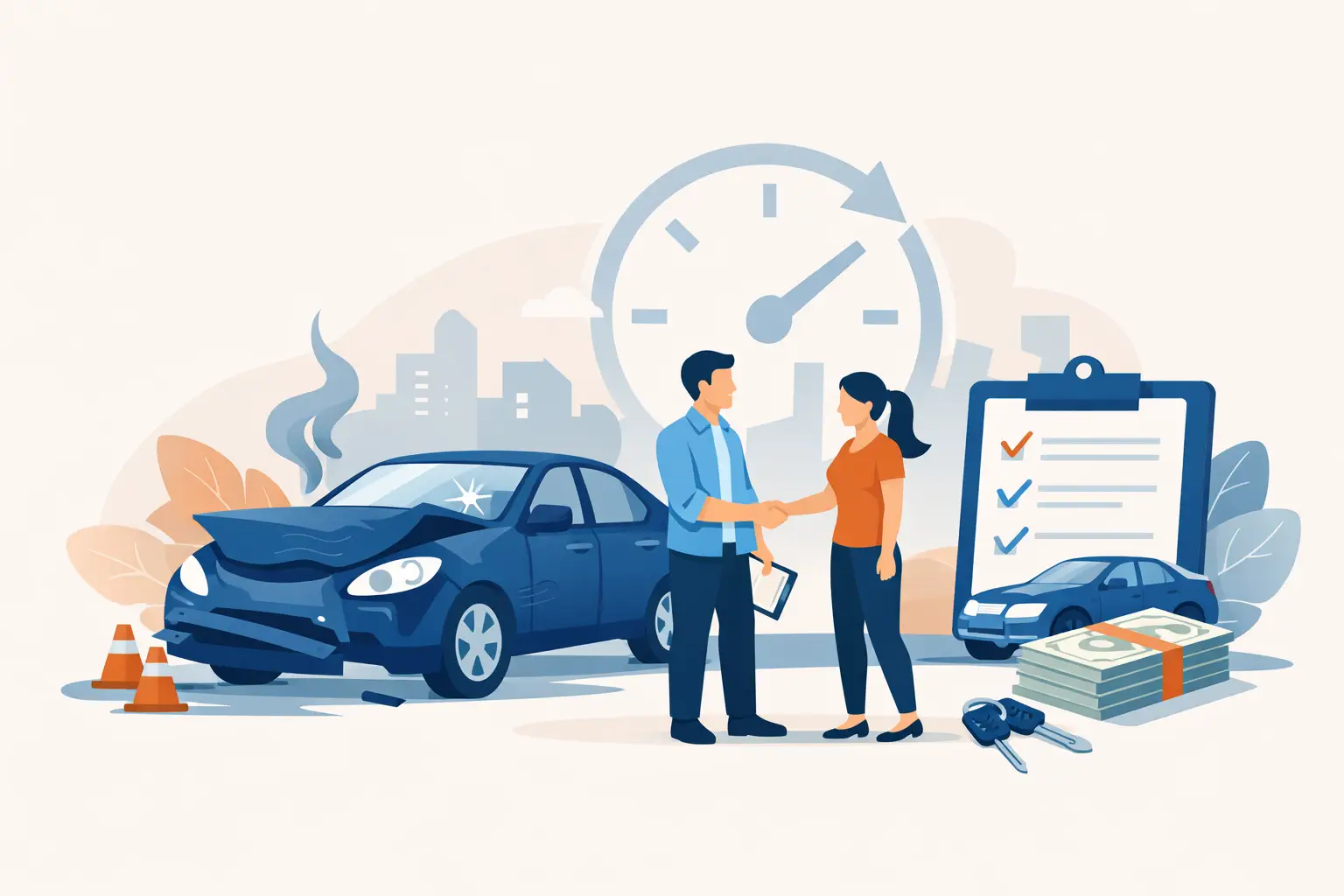
A smashed front end, flood damage, hail dents across the roof, or an engine that gave up without warning – once a vehicle is damaged, most owners want it gone without wasting weeks on ads, tyre-kickers, and repair quotes. This guide to selling damaged vehicle options is built for Queensland owners who want a clear path from problem car to cash, without hidden surprises.
The first thing to know is that a damaged vehicle still has value. Even if it will never be driven again, it may still be worth money for parts, scrap metal, salvage, or repair. What changes is the best way to sell it. A damaged late-model SUV with repairable panel damage is a very different sale from an old ute with gearbox issues and no rego. The right option depends on condition, paperwork, location, and how quickly you need it gone.
Guide to selling damaged vehicle options
If speed matters most, selling directly to a cash car buyer is usually the simplest path. You skip the ad, the inspections, the back-and-forth offers, and the problem of how to move a car that is not roadworthy. For many owners in Brisbane, Logan, Ipswich, Caboolture and the Gold Coast, that matters more than chasing the absolute highest theoretical price.
A private sale can sometimes bring in more money, but only when the vehicle is in demand, the damage is minor, and a buyer is willing to take on the risk. That process often drags out. People ask endless questions, want extra photos, expect a lower price once they arrive, and may disappear the moment they hear the car needs towing or has finance history to check.
Selling to a wrecker or vehicle buyer is more practical when the car is unregistered, written off, not running, or costly to repair. The trade-off is simple. You may not get the same figure as a clean used car sale, but you usually get a faster result, free pickup, and no out-of-pocket towing bill.
What affects the value of a damaged vehicle
Damage type matters, but it is not the only factor. The make, model, age, kilometres, and whether the vehicle still starts all affect what someone will pay. A newer 4WD with rear-end damage can still be worth solid money because parts are in demand. An older sedan with major flood damage may be valued mostly on scrap and recoverable components.
Write-off status also changes the market. A repairable write-off can attract buyers who understand the repair process. A statutory write-off has a much narrower resale path and is usually sold for dismantling or recycling. If you are not sure which category your vehicle falls into, that should be clarified before you agree to a sale.
Then there is the practical side. If the vehicle is stuck in a garage, has missing keys, flat tyres, or no battery, some buyers will reduce their offer while others will still include removal. Always check whether towing is 100% free. A good price on paper can shrink fast if transport costs come off the final amount.
The most common damage categories
Accident damage is the most obvious one, but plenty of owners sell vehicles after storm events, flood exposure, fire damage, theft recovery, or mechanical failure. Hail damage often looks cosmetic, yet repair costs can still exceed the value of an older car. Flood damage is more complicated because electrical faults may keep appearing long after the water is gone.
Mechanical damage sits in its own category. A blown head gasket, seized engine, failed transmission, or major suspension issue can make a vehicle uneconomical to fix even when the body looks fine. That is why buyers look at the whole vehicle, not just the visible damage.
How to prepare before you sell
You do not need to detail the vehicle or spend money getting it ready, but a few basics help the process move faster. Start by gathering the rego papers if you have them, your photo ID, and any proof that you own the vehicle. If the car is under finance, get the payout figure first. Selling a financed car is possible, but it needs to be handled properly.
Take clear photos from each side, plus the damage, odometer, interior, and engine bay if accessible. Honest photos save time. If the airbags went off, if the car does not start, or if there is underbody damage, say so early. Hiding major issues only leads to a reduced offer later.
Remove personal items from the glove box, centre console, doors, and boot. Check for toll tags, paperwork with your address, tools, and spare keys. If the number plates need to be returned or transferred under Queensland rules, ask about that before pickup. It is a small detail, but missing it can create a headache later.
Documents that usually matter
In most cases, the sale goes smoother when you can provide proof of identity and proof of ownership. Rego documents help, but they are not always essential if the vehicle is unregistered. If you have service history, receipts for recent parts, or details of known faults, keep them handy. They can support a cleaner valuation, especially on newer damaged vehicles.
Getting a fair quote without wasting time
A fair quote starts with accurate information. Give the year, make, model, suburb, registration status, and a straight description of the damage. Mention whether it drives, starts, rolls, or needs to be winched onto a truck. The more specific you are, the less chance of a surprise change on arrival.
It also pays to ask the right questions. Is towing included? Is payment made on the spot? Is the quote subject to inspection? Are there any admin fees, cancellation fees, or pickup charges? A no-nonsense buyer should be able to answer those quickly.
If two offers are close, convenience matters. A slightly higher quote is not better if pickup is delayed for days, paperwork is vague, or the buyer starts making deductions once they arrive. Fast collection and clear terms often end up being the better deal.
Why many owners skip the private sale route
Private selling sounds attractive until the reality kicks in. With a damaged vehicle, buyers expect a bargain and often treat your ad as an opening shot for negotiation. You may spend your weekend answering messages from people who never turn up. Then there is the issue of safety and time. Meeting strangers, arranging inspections, and dealing with payment can be more trouble than the car is worth.
There is also a trust problem. Most private buyers worry you are hiding something, and most sellers worry the buyer will lowball them in person. That tension gets worse when the vehicle is not drivable or has major defects. For owners who just want the vehicle gone from the driveway, a direct buyer is often the cleaner option.
The fastest way to sell a damaged vehicle
If your main goal is speed, keep the process simple. Request a quote, give accurate details, accept the offer if it suits you, and book pickup. Businesses like Top Cash Car Buyers work on that model for a reason – three steps and it is over. You do not need to repair the car, renew the rego, or organise a tow truck yourself.
That speed can matter for more than convenience. A damaged vehicle takes up space, attracts council complaints if it sits too long, and can become a safety issue for families with kids around the property. The sooner it is removed, the sooner the problem stops costing you time and attention.
Mistakes that cost sellers money
The biggest mistake is spending money on repairs that do not improve the sale price enough to justify the cost. A replacement windscreen or battery might help in some cases, but major mechanical or body repairs rarely make sense on an already damaged vehicle. Always compare the likely sale increase against the actual repair bill.
Another mistake is accepting a vague quote. If a buyer says they will give you up to a certain amount, that is not a real offer. You want a clear figure based on the condition you described, plus confirmation that removal is free.
Waiting too long can also work against you. Damage tends to get worse when a vehicle sits. Interiors grow mould, batteries die, tyres go flat, and missing paperwork becomes harder to track down. Selling sooner usually keeps more value intact.
A damaged car does not need to become a long, frustrating project. If you know what affects value, have your paperwork ready, and choose a buyer who offers free pickup and instant payment, the sale can be quick and straightforward. The best move is usually the one that gets the vehicle off your hands without more cost, more hassle, or another week of it sitting there doing nothing.
One Response