
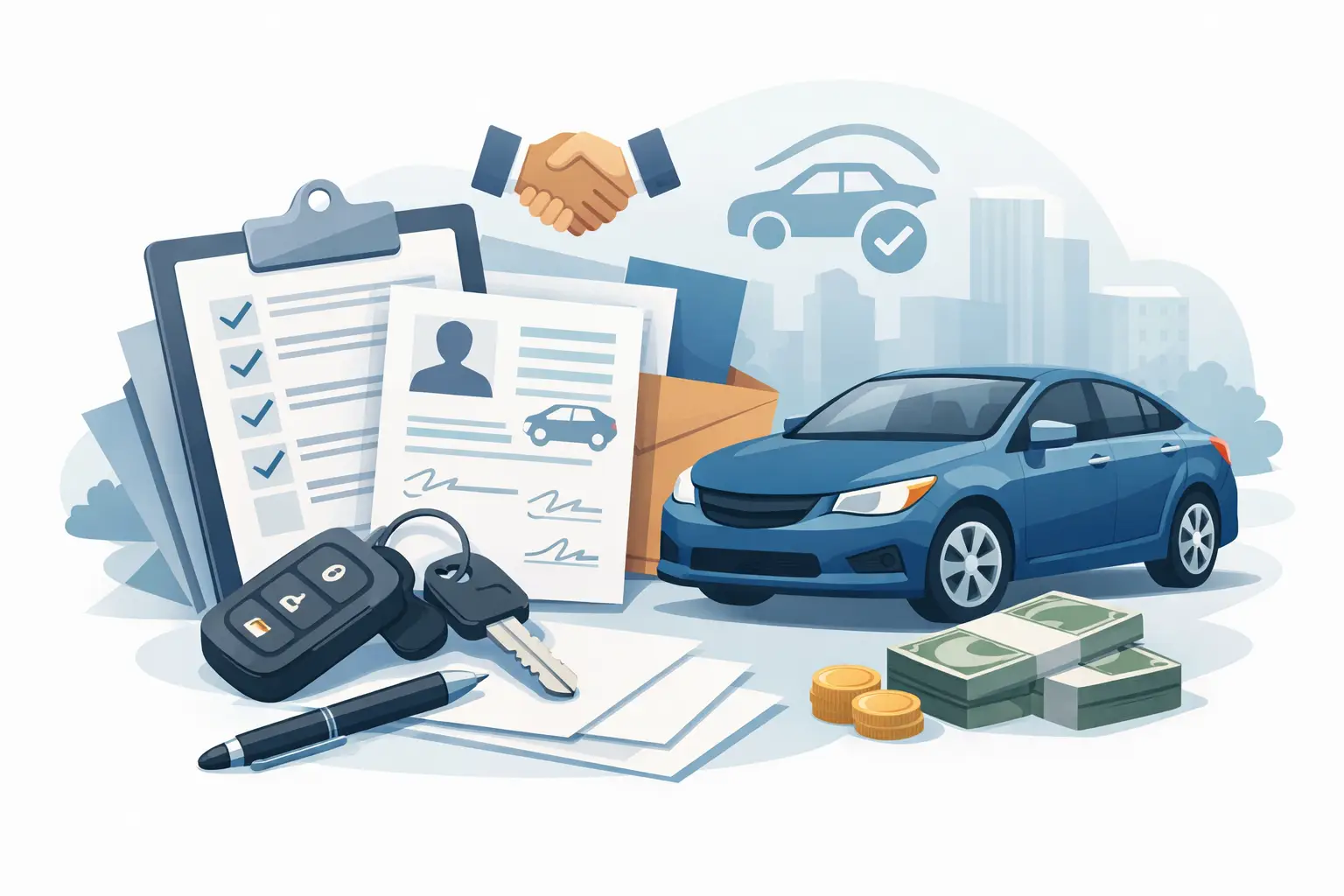
You’ve got a car sitting in the driveway, the rego might be expired, it may not start, and you want it gone without a drawn-out sale. The usual question is simple: what documents needed sell car in Queensland? The answer depends on whether the car is registered, unregistered, damaged, or being sold to a private buyer or a car buying service – but in most cases, the paperwork is easier than people expect.
If you are selling an unwanted vehicle in Brisbane or across South East Queensland, the goal is straightforward. You want to prove ownership, complete the transfer properly if needed, and avoid any last-minute hold-ups. That means having the right documents ready before pickup or handover.
What documents needed to sell car in Queensland?
For most vehicle sales in Queensland, the key document is proof that you own the car. In many cases, that starts with your photo ID and details that match the vehicle records. If the car is still registered, you will usually also need the registration certificate or transfer paperwork. If the car is unregistered, written off, damaged, or very old, the exact paperwork can vary.
The core documents people are most often asked for are a valid Queensland driver licence or other photo ID, proof of ownership, and the vehicle’s registration details if registration is current. Some buyers may also ask for your bank details if payment is not made in cash, but for instant cash services that part is usually handled on the spot with no extra fuss.
What matters most is this: the name on the documents should line up with the person selling the vehicle. If it does, the process is usually quick. If it doesn’t, you may need extra proof before the sale can go ahead.
Proof of ownership matters more than anything else
When people ask what documents needed to sell car, they often assume the rego papers are the only thing that count. They are not. Registration is not the same as ownership. A current registration helps, but it does not always prove who has the legal right to sell the vehicle.
That is why buyers want to see identification and some form of ownership evidence. This could be registration paperwork in your name, purchase paperwork, insurance documents, or other records that connect you to the vehicle. For an older car, especially one that has been sitting around for years, even matching ID and vehicle details can help move things along.
If the car belonged to a family member who has passed away, or you are selling on behalf of someone else, that is where things can slow down. You may need executor paperwork, written authority, or other legal documents before a buyer can take the vehicle. It depends on the situation, and it is always better to mention this early rather than on pickup day.
If the car is registered
A registered car is usually the easiest type of sale from a paperwork point of view. You will normally need your photo ID and the registration details. In Queensland, the transfer side of things needs to be handled correctly so the vehicle is no longer tied to your name once the sale is complete.
If you are selling privately, this often means completing transfer forms and making sure both parties sign where required. If you are selling to a vehicle buyer, the process is usually much faster because they handle these transactions every day and can tell you exactly what they need before arrival.
One thing people forget is to remove any personal toll tags, cancel insurance if needed, and keep a record of the sale date. Those steps are not the main selling documents, but they do protect you after the car leaves your property.
If the car is unregistered
An unregistered car can still be sold, but the paperwork focus shifts. There may be no current rego certificate to rely on, so proof of ownership becomes even more important. A buyer may ask for ID, the VIN or chassis number, engine number if visible, and any old registration or purchase records you still have.
This is common with scrap cars, project cars, old family sedans, damaged utes, and vehicles that have been off the road for months. The car does not need to be roadworthy to be sold to a wrecking or cash-for-cars business, but you do need enough documentation to show you are entitled to sell it.
If the plates are still on the car but the registration has lapsed, ask what should happen before pickup. In some cases, number plates may need to be returned. It depends on the vehicle status and how the sale is being handled.
If the car is damaged, written off, or not running
This is where many owners assume the process will be complicated. Usually, it is not. A damaged or non-running vehicle can still be sold without much trouble as long as ownership can be confirmed.
You generally will not need a roadworthy certificate when selling a vehicle to a car removal or salvage buyer. That is one reason this option is much quicker than a private sale. There is no need to repair the car, advertise it, wait for strangers to inspect it, or pay for towing just to move it.
For flood-damaged, hail-damaged, accident-damaged, or repairable write-off vehicles, the buyer may ask a few extra questions about condition and location. That is mostly for quoting and pickup planning, not to make the paperwork harder. If the ID and ownership side is clear, the sale can still be completed quickly.
What if you have lost the papers?
It happens all the time. People lose rego paperwork, misplace old receipts, or inherit a vehicle with very little information. That does not always stop the sale.
If you have lost the papers, start with what you do have. A photo ID, registration number, VIN, and your connection to the vehicle can often go a long way. A legitimate buyer will tell you what minimum proof is needed. Sometimes a quick check of the vehicle details and your ID is enough. Sometimes extra documents are required.
The main thing is not to guess or hide missing paperwork until the last minute. Be upfront from the start. That saves wasted time and avoids pickup delays.
Selling on behalf of someone else
If the registered owner cannot be present, extra care is needed. A buyer may require written authority, power of attorney, executor documents, or other proof that you are allowed to act for the owner. This is especially relevant for deceased estates, company vehicles, and cars owned by family members who are interstate or unable to attend.
This is one of those it-depends situations. The paperwork is still manageable, but it needs to be checked before the vehicle is collected. If you sort that out early, the rest is usually straightforward.
How to avoid delays on pickup day
The fastest sales are the ones where the seller has the basics ready. Have your photo ID on hand, know where the rego or ownership paperwork is, and make sure the vehicle details are accessible. If the car is parked tightly, locked, or blocked in by other vehicles, that can cause more delay than the documents themselves.
It also helps to remove personal belongings from the cabin, glove box, boot, and under the seats before collection. People often remember paperwork but forget the spare keys, service books, tools, work gear, and personal items left in the car.
A no-fuss buyer like Top Cash Car Buyers will usually keep the process simple because that is the whole point of the service. You get a quote, confirm the details, show the required documents, and the vehicle is collected without hidden surprises.
A simple way to think about it
If you are still wondering what documents needed to sell car, keep it simple. In most Queensland vehicle sales, you need proof of identity, proof that the car is yours to sell, and any registration details that apply. Everything else depends on the car’s condition and who is buying it.
Private sales usually involve more back and forth, more risk, and more paperwork headaches. Selling to a direct car buyer is often faster, especially if the vehicle is old, damaged, unregistered, or not worth fixing. The less time you spend chasing forms and tyre-kickers, the sooner the car is gone and the cash is in your hand.
Before you book a pickup, check your ID, gather any vehicle papers you have, and ask the buyer exactly what they need for your situation. A five-minute check now can save a lot of mucking around later. And if the car has become more of a burden than a benefit, getting the paperwork sorted is usually the easiest part of finally moving it on.
One Response