
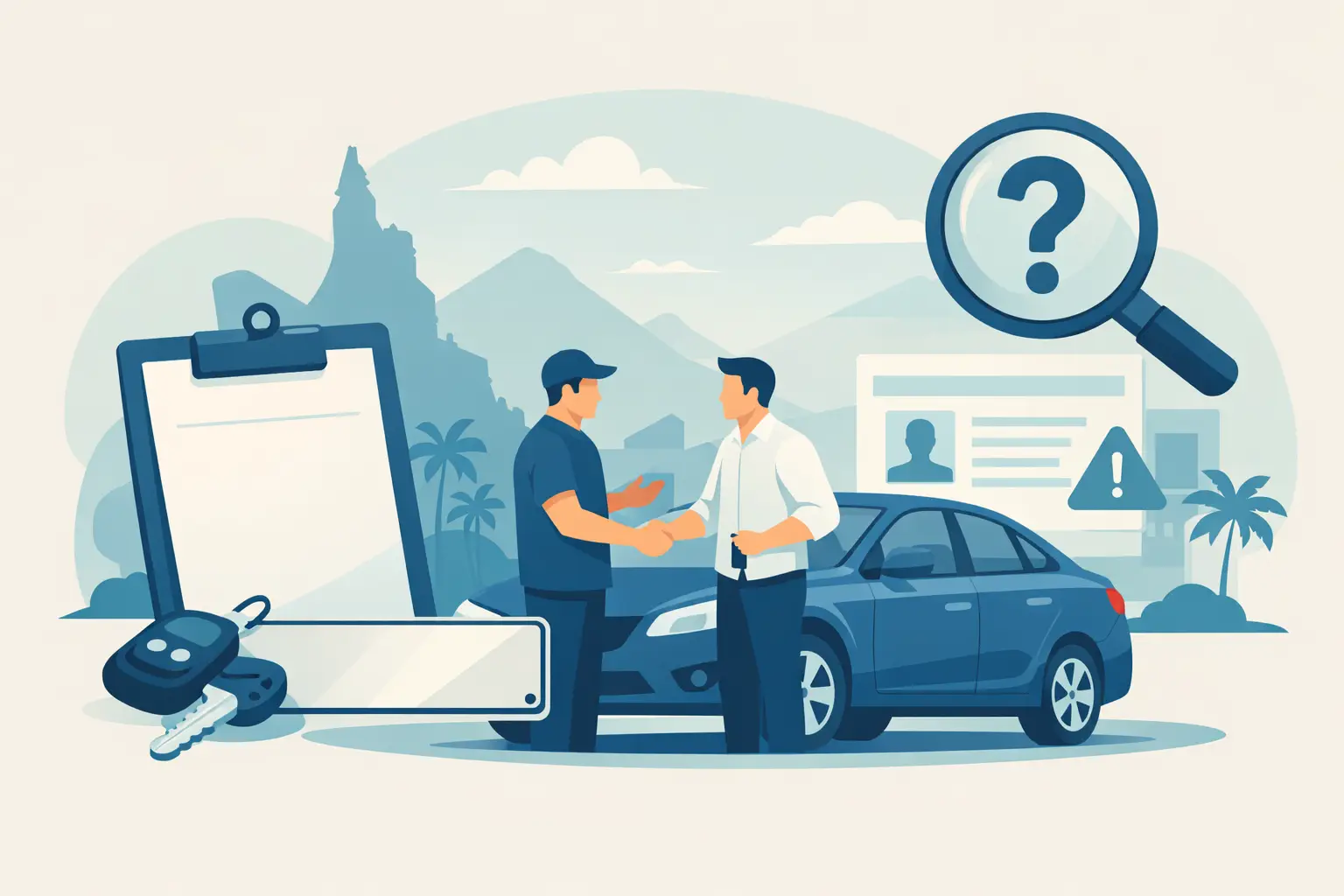
That question usually comes up when the rego has lapsed, the car will not start, or it has been sitting in the yard longer than anyone wants to admit. If you are asking can i sell car without registration, the short answer is yes – in Queensland, you can sell an unregistered car. The bigger question is how to do it properly, without wasting time, losing money, or getting stuck with avoidable paperwork problems.
For most private owners, the hard part is not whether the sale is legal. It is finding a buyer willing to take an unregistered vehicle, especially if it cannot be driven, needs repairs, or has damage. That is where the process changes. A registered car is easier to inspect, easier to test drive and easier to move. An unregistered one usually needs a different type of sale.
Can I sell car without registration in Queensland?
Yes. In Queensland, registration is not the same thing as ownership. Rego allows the vehicle to be driven legally on the road. It does not decide whether you own the car or whether you can sell it. If the car is in your name and you can prove that, you can generally sell it.
What matters is that the buyer understands the vehicle is unregistered and that the handover is handled properly. If the rego is expired, cancelled or about to run out, be upfront about it. That saves arguments later and stops buyers turning up expecting to drive it away legally.
For obvious reasons, an unregistered car is harder to shift through a normal private sale. Many buyers want a car they can drive home that day. If your vehicle needs to be towed, repaired, inspected or has been off the road for months, you are dealing with a smaller buyer pool.
What changes when the car is unregistered?
The biggest difference is convenience. Without registration, the buyer cannot just jump in and drive off unless they sort lawful transport and any required permits themselves. That immediately puts off a lot of private buyers.
There is also the issue of confidence. A lack of registration can make buyers wonder what else is wrong with the vehicle. Sometimes the answer is simple – maybe the owner stopped using it and did not want to keep paying rego. Other times, the car has mechanical faults, accident damage, flood damage or expensive repair needs. Buyers know this, so they often negotiate harder.
That does not mean your car has no value. It just means the sale method matters. If you list it privately, expect more messages, more no-shows and more lowball offers. If you sell it to a business that buys unregistered vehicles, the process is usually much faster because they already deal with non-running and unwanted cars every day.
Proof of ownership matters more than rego
If you want the sale to go smoothly, focus on ownership documents, not just the missing registration. A buyer will want confidence that the vehicle is actually yours to sell.
In practical terms, that usually means having photo ID and some form of supporting paperwork for the vehicle, such as previous registration details, purchase documents or anything else that helps show the car is yours. The exact documents can vary depending on the vehicle and the buyer, but the principle is simple. If you can clearly prove ownership, the sale is easier.
If paperwork is thin, be honest early. Hiding that until pickup day only slows things down. Some buyers will walk away. Others may still buy the vehicle if the details check out and the situation is clear.
Selling privately versus selling to a car buyer
This is where most owners lose time.
A private sale can work if the car is in decent condition, has market appeal and only became unregistered recently. You may get a better price on paper. But there is a trade-off. You will likely need to create ads, answer messages, arrange inspections, deal with tyre-kickers and negotiate with buyers who know the missing rego weakens your position.
If the car does not start, has damage, needs a tow or has been sitting for a long time, private sale gets harder fast. Many people simply do not want the hassle.
Selling to a cash car buyer is usually the better fit when speed matters more than squeezing every last dollar out of the deal. Businesses in this space buy vehicles in all sorts of conditions, including scrap cars, old family sedans, work utes, vans and write-offs. They are also set up for towing, which matters when the car cannot legally or safely be driven.
That is why owners across Brisbane and South East Queensland often choose a direct buyer for unregistered vehicles. It cuts out the dead time. You get a quote, a pickup time and payment on the spot. Three steps and it is over.
Can I sell car without registration if it does not run?
Yes, and this is common.
A car does not need to be registered or running to be sold. It only needs to be lawfully owned and collected in a way that suits its condition. If it will not start, has no battery, has engine trouble or is not safe to drive, then towing is the practical answer.
This is one reason unregistered car buyers exist. They are not expecting a showroom vehicle. They buy cars with blown motors, gearbox issues, accident damage, missing parts and long-term neglect. The value may come from salvage, recycling, scrap metal or recoverable components rather than resale as a road-ready vehicle.
For the seller, that means one less problem to solve. You do not need to spend more money getting the vehicle running just to move it on. In many cases, paying for repairs before sale makes no financial sense.
What affects the price of an unregistered car?
No-nonsense answer – registration status affects value, but it is not the only thing that matters.
The make, model, age, kilometre reading, body condition, mechanical condition and whether the vehicle is complete all play a part. A popular ute with no rego but good parts can still be worth decent money. A small hatch with major damage and missing components will usually be worth less.
Location matters too. If the car is easy to access in Brisbane, Ipswich, Logan, Caboolture or the Gold Coast, pickup is simpler. If it is buried behind a shed with flat tyres and no keys, that can affect the offer.
Be realistic about the market. Owners often compare their unregistered non-runner to advertised prices for registered, roadworthy vehicles. That is not an accurate comparison. A fair offer reflects the actual condition, the cost of removal and what the buyer can recover from the vehicle.
Common mistakes to avoid
The first mistake is assuming no rego means no sale. That is false, and it causes people to let unwanted cars sit around for months when they could have dealt with them quickly.
The second is spending money on repairs just to attract a private buyer. Sometimes a minor fix is worth it. Often it is not. If the car has multiple issues, throwing more cash at it can leave you worse off.
The third is not being clear about the vehicle condition. If there is accident history, hail damage, flood exposure or major mechanical trouble, say so upfront. Honest details lead to accurate quotes and fewer surprises on the day.
The fourth is forgetting the handover side of the sale. Remove personal items, check the glove box, clear out the boot and make sure the buyer has what they need to identify the vehicle and complete the transaction properly.
The easiest way to sell an unregistered car
If your goal is speed, the easiest path is simple. Get a quote from a buyer that deals with unregistered vehicles, accept the offer if it is fair, and have the car picked up from your home, worksite or wherever it is parked.
That approach suits owners who do not want to pay for towing, chase private buyers or keep dealing with a vehicle that is taking up space. It is especially useful when the car is damaged, unwanted, deregistered or too costly to put back on the road.
Top Cash Car Buyers works with exactly these sorts of vehicles across South East Queensland, so the process stays straightforward – free pickup, quick paperwork and cash on the spot, with no hidden surprises.
If you have an unregistered car sitting around, the main thing is not to overcomplicate it. You can sell it. The best option just depends on whether you want to spend the next few weeks advertising and negotiating, or get it gone without the run-around. Sometimes the smartest move is the one that gives you your space back, your cash in hand, and one less headache by the end of the day.
3 Responses