
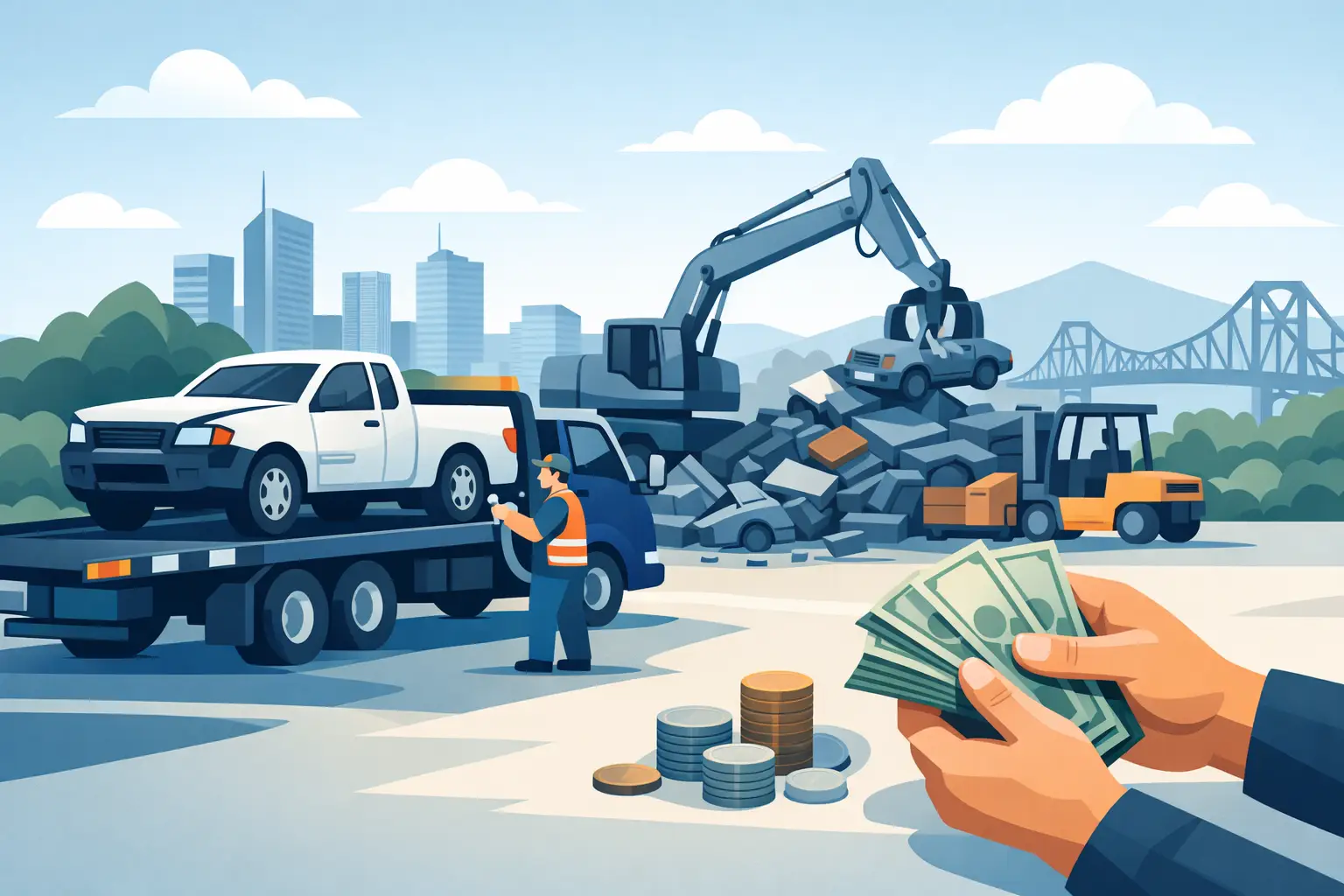
A dead ute can become an expensive driveway ornament fast. It takes up room, attracts tyre-kickers, and can leave you wondering whether it is worth repairing, selling or simply getting rid of. If you are asking how to scrap a ute, the simplest answer is to sell it to a reputable vehicle buyer or wrecker that collects it, pays you on pickup and handles it responsibly.
For Brisbane and South East Queensland owners, scrapping does not have to mean paying for a tow or dragging a non-running ute across town. Whether it is an old workhorse, an accident-damaged dual cab, a rusted tray-back or an unregistered ute that has sat for years, there is usually value left in its parts, metal and components.
First, decide whether scrapping is the right move
Scrapping is often the sensible option when repair costs are higher than the ute’s realistic resale value. A blown engine, major gearbox trouble, severe rust, flood damage or structural accident damage can turn a cheap repair into a money pit. The same applies when your ute is unregistered, cannot pass a safety inspection, or has been sitting unused long enough to need tyres, a battery, brakes and a full service before anyone will consider buying it.
A running, tidy ute with a current registration may still be worth selling privately. But private sales take time. You may need to clean it, advertise it, answer calls, arrange inspections and negotiate with buyers who may not show up. If you need the vehicle gone quickly, or it is not worth presenting for sale, scrapping is generally the lower-stress choice.
Do not assume a non-running ute has no value. Alloy wheels, trays, toolboxes, engines, transmissions, panels, catalytic converters and usable interior parts can all affect what a buyer can pay. Even a ute that is beyond repair has value as recyclable metal.
How to scrap a ute without the runaround
The process should be straightforward. Get a quote, arrange collection, complete the ownership paperwork and receive payment. A reliable buyer will ask a few practical questions first: the make and model, year, condition, location, whether it runs, and whether it has major damage or missing parts.
Be honest about the ute’s condition. Tell the buyer if it has been written off, flooded, involved in an accident, stripped for parts or left idle for a long time. Clear information helps them give a more accurate quote and arrive with the right towing equipment. There should be no surprise charge because the ute will not start or has flat tyres, provided those details were disclosed upfront.
Get a clear cash quote
A proper quote should explain what is being offered for the ute and confirm that removal is included. Ask whether towing is 100% free, whether the payment is made at collection, and whether the quoted amount changes if the vehicle is as described.
Price depends on several factors. Newer utes with reusable parts can be worth more than older models, while diesel engines, alloy trays, 4WD components and popular parts may add value. On the other hand, fire damage, extensive stripping and difficult access can reduce the amount. There is no single scrap price for every ute, so avoid anyone promising a figure without asking basic questions.
Prepare the ute for collection
Before the tow truck arrives, remove all personal belongings. Check the glovebox, centre console, under-seat storage, door pockets, canopy, toolbox and behind the seats. Tradies should also check for tools, job paperwork, access cards, fuel cards and business equipment. It is easy to overlook a drill battery or important receipt in a ute that has not been driven for months.
Remove toll tags and any personal accessories you want to keep, such as a UHF radio, mobile mount or custom canopy gear, but do not strip major parts after accepting a quote unless you have discussed it with the buyer. Taking off wheels, batteries, catalytic converters or engine components can change the value.
If you can, make sure the ute is accessible. Move other cars out of the way, unlock gates and let the collection team know about tight driveways, steep slopes, underground parking or a vehicle stuck in a backyard. A professional removal service can handle most situations, but advance notice prevents delays.
Have proof of ownership ready
You will normally need photo identification and evidence that you own the ute. Depending on its status, this may include registration papers, purchase documents or other details that establish ownership. This protects you as much as the buyer. A legitimate operator should not be casual about collecting a vehicle without confirming who is entitled to sell it.
If the ute is registered, check the current Queensland requirements for cancelling registration and dealing with number plates. Keep any receipts or collection records from the transaction. This creates a clear paper trail showing the ute has left your possession and helps you finalise any remaining registration or insurance matters.
What happens after your ute is scrapped?
Scrapping a ute does not automatically mean every part is crushed. A responsible wrecker assesses the vehicle first. Parts that are safe and suitable for reuse may be recovered, while fluids, batteries, tyres and metals are handled through appropriate recycling channels. Steel, aluminium and other materials can be processed rather than left to rust away on your property.
That is one reason scrapping is often a better option than abandoning an old ute or letting it deteriorate in the yard. Leaking fluids, damaged batteries and decaying tyres create a mess nobody wants to deal with later. Removing the vehicle promptly gives you space back and puts usable materials back into circulation.
Common mistakes that cost ute owners money
The biggest mistake is paying for a tow before finding out whether a buyer will collect the ute for free. In many cases, an unwanted vehicle can be removed at no cost, even if it is not driveable. Another common mistake is accepting a vague quote that does not clearly include towing, pickup and payment conditions.
Avoid handing over a ute without checking the buyer’s process for identification, paperwork and payment. If someone says they will pay later, be cautious. The transaction should be clear: agreed amount, collection arranged, paperwork completed and payment made when the vehicle is collected.
It is also worth comparing the effort involved in repairing the ute against what you will realistically get back. Spending thousands to make an old, damaged vehicle saleable rarely makes sense if it still has mechanical issues or a difficult history. A quick cash sale can be the better financial decision when the alternative is more repair bills and more time off the road.
Can you scrap an unregistered or written-off ute?
Yes, in many cases you can sell an unregistered, damaged or written-off ute for wrecking or recycling. The buyer will need accurate details about its condition and ownership, and you should make sure any required Queensland registration steps are completed. Unregistered does not mean worthless. It simply means the ute cannot legally be driven on public roads until it meets the relevant requirements.
Written-off utes can still have valuable parts and recyclable material. The exact value depends on the type and extent of the damage. A hail-damaged ute with a good engine and driveline is very different from a fire-damaged ute that has been stripped and left exposed to weather.
A faster way to clear an unwanted ute
For most owners, the best way to scrap a ute is not to spend weekends chasing private buyers or organising a separate tow. Get an upfront quote from a reputable local car buyer, disclose the ute’s condition, confirm free removal and have your identification ready. Top Cash Car Buyers can arrange pickup across Brisbane and surrounding South East Queensland areas, with cash paid on collection for eligible vehicles.
Your old ute does not need to become another job on the list. Clear the space, finalise the paperwork and put the cash towards the vehicle, tools or plans that actually move you forward.