
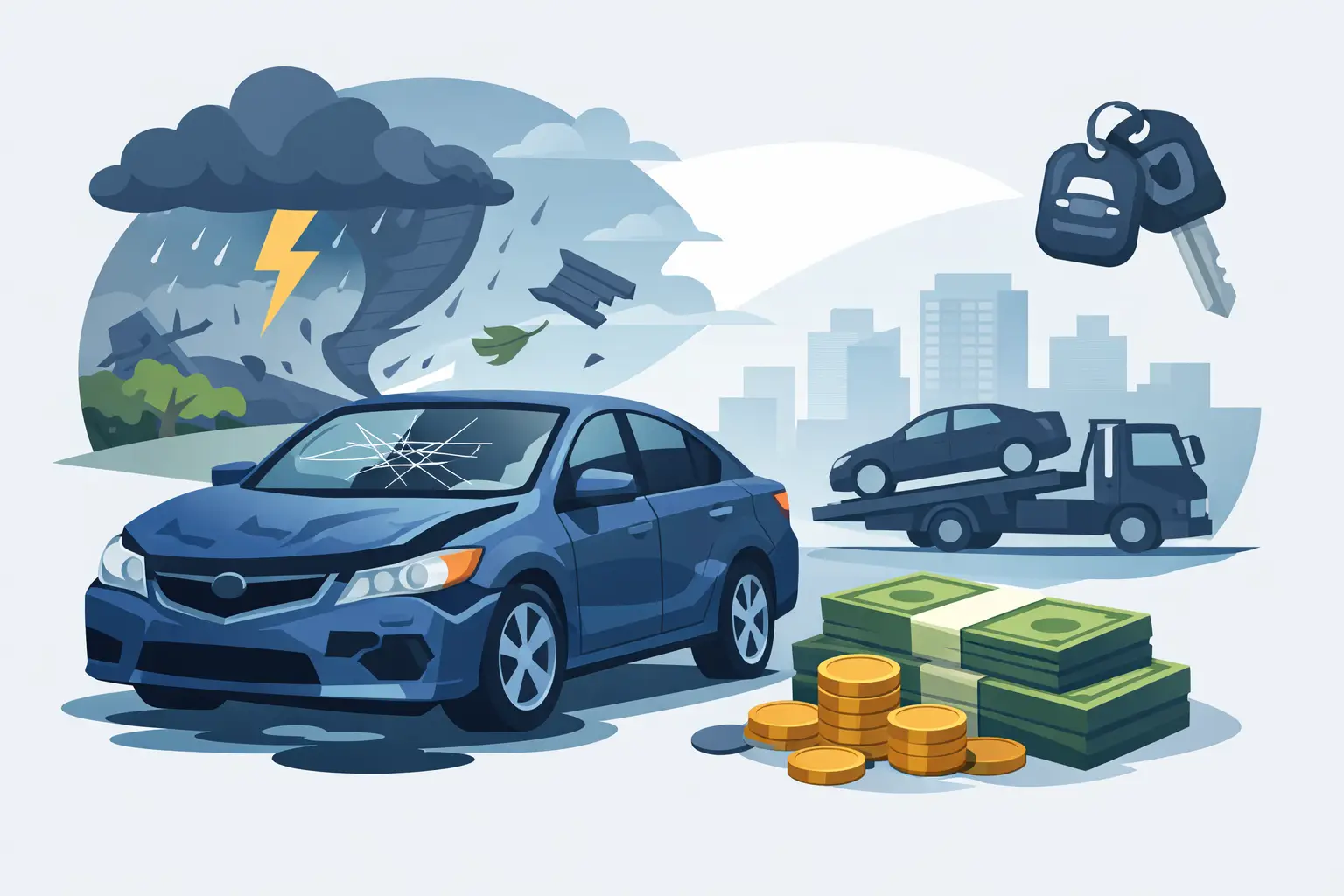
A smashed windscreen, hail-dented roof or flood-soaked interior can turn a perfectly useful vehicle into a problem overnight. A storm damaged vehicle sale gives Brisbane and South East Queensland owners a practical way to clear that problem quickly, without paying for towing, placing ads or waiting around for private buyers.
Storm damage does not automatically mean your car, ute, van or truck has no value. Even when repairs are not worth the cost, a damaged vehicle may still have valuable parts, metal and salvage potential. The key is choosing the right sale option for its condition and your situation.
When a Storm Damaged Vehicle Sale Makes Sense
After a major storm, it is easy to focus on the visible damage. Hail marks on the bonnet, broken glass and fallen branches are obvious. Water damage is less obvious and can be far more expensive, especially if it has reached the engine, wiring, airbags, carpets or electrical control units.
If your insurer has assessed the vehicle as a repairable write-off, or repairs cost more than the vehicle is worth, selling it for cash can be the cleanest option. The same applies if you only have third-party cover, the car is already unregistered, or it has been sitting in the driveway since the storm because you do not want to sink more money into it.
A private sale can work for a desirable vehicle with minor, clearly documented hail damage. But it often means cleaning it up, taking photos, answering messages, arranging inspections and negotiating with buyers who expect a bargain. If the vehicle will not start, has water damage or needs a tow, that process becomes harder fast.
Selling directly to a vehicle buyer is usually the better fit when speed and convenience matter more than chasing the highest possible private-sale price. You receive an offer based on the vehicle’s make, model, condition and recoverable value, then arrange collection without the usual run-around.
What Storm Damage Does to Your Vehicle’s Value
The value of a storm-damaged vehicle depends on more than the dents you can see. A late-model ute with cosmetic hail damage may still be a good repair candidate. An older sedan with water in the cabin, a damaged engine and expired registration may be worth more for parts and recycling.
Hail damage usually affects panels, paint, glass and lights. It can look rough, but the mechanical side of the vehicle may still be sound. Flood damage needs more caution. Even shallow water can cause corrosion, contaminate oils and create electrical faults that appear weeks later. A vehicle that starts today is not necessarily reliable tomorrow.
Fallen trees and flying debris can cause structural damage, broken suspension, damaged radiators or cracked windscreens. If the roof, pillars or chassis have been affected, repair costs can climb well beyond what makes financial sense.
A straightforward buyer will consider the whole picture: the age of the vehicle, its make and model, whether it runs, the type of damage, usable components and scrap value. Be honest about the damage when requesting a quote. Accurate details help avoid delays or changes when the vehicle is collected.
Check who owns the vehicle first
If you have made an insurance claim and accepted a total-loss payout, the insurer may own the vehicle or control what happens next. Do not arrange a sale until you know the outcome of your claim and have written confirmation of your rights.
If you still own the vehicle, keep any assessment reports and repair quotes. They can help you decide whether repairing, privately selling or disposing of the vehicle is the sensible financial move. For written-off vehicles, check the current Queensland registration and written-off vehicle requirements before making decisions about repairs or future registration.
How to Sell a Storm-Damaged Car Without the Hassle
The process should be simple. You should not need to organise a tow truck, pay a removal fee or spend your weekend meeting strangers at your home.
Start by gathering the basic details: make, model, year, registration status, location and a clear description of the storm damage. Mention whether the vehicle starts and drives, whether it has been flooded, and whether it is a write-off. Photos can help produce a more accurate estimate, particularly where hail or panel damage is involved.
Next, request a cash quote. A reliable buyer should explain what is included and make it clear whether towing is free. Be wary of vague offers that change once a truck arrives, or operators who add collection charges after you have agreed to sell.
Once you accept a fair offer, arrange a pickup time that suits you. For a vehicle that cannot be driven, the buyer should bring the right equipment and remove it from your driveway, workshop, car park or roadside location safely. Payment and paperwork should be handled at collection, so there is no waiting for bank transfers or uncertainty about whether the sale is final.
That is the appeal of a proper cash-for-cars service: three steps and it is over. Tell them about the vehicle, accept the offer, then have it removed and paid for.
Have These Details Ready for Collection
A sale goes faster when you have ownership details ready. Requirements can vary depending on the vehicle and its registration status, but you will generally need identification and proof that you are entitled to sell it. Have the registration papers available if you have them, along with any paperwork relating to an insurance settlement or write-off classification.
Before collection, remove personal belongings from the glovebox, centre console, door pockets, boot and under the seats. Check for toll tags, garage remotes, work tools, child seats and paperwork with personal information. If the vehicle is still registered, ask about the right steps for transferring or cancelling registration and dealing with plates under Queensland rules.
Do not spend money detailing a storm-damaged vehicle before selling it for salvage. A quick clear-out is enough. The buyer needs an honest view of its condition, not a polished version that hides water marks or faults.
Why Free Removal Matters After a Storm
A damaged vehicle can become an expensive eyesore quickly. It may be blocking the driveway, taking up a spot at your business or attracting complaints from neighbours or body corporate management. If it is unsafe to drive, moving it yourself can create more damage and more cost.
Free towing removes one of the biggest barriers to selling. The cost of a tow from Brisbane to a wrecking yard can take a real bite out of what you receive, particularly for non-running cars, heavy vans, buses or work trucks. A buyer that includes removal in the offer gives you a clearer number upfront.
It also matters when demand spikes after hailstorms and flooding. Towing services can be busy, repairers can have long wait times, and private buyers are often cautious about damaged vehicles. Booking a direct pickup means you can deal with the vehicle on your timeline rather than letting it sit for months.
A Better End for Vehicles Beyond Repair
Not every storm-damaged vehicle belongs back on the road. When repair is unsafe or uneconomical, responsible wrecking and recycling is the sensible outcome. Usable parts may be recovered for other vehicles, while metal and other materials can be processed rather than left to deteriorate on your property.
This is particularly useful for older cars with heavy hail damage, flood-affected vehicles and non-running work utes. Their resale value as complete vehicles may be low, but they can still contribute value through salvage and recycling. It is a more practical option than paying storage costs while hoping a private buyer appears.
Top Cash Car Buyers purchases storm-damaged vehicles across Brisbane and surrounding South East Queensland areas, with free removal and payment arranged at pickup. Whether it is a family car with hail dents or a tradie’s flood-affected ute, the goal is simple: a fair offer, no hidden surprises and no towing bill.
If the storm has left a vehicle you no longer want to repair, do not let it become permanent driveway clutter. Get the facts on its condition, confirm your insurance position and choose the sale option that gives you a clean, quick way forward.